Thursday, 16 August 2012

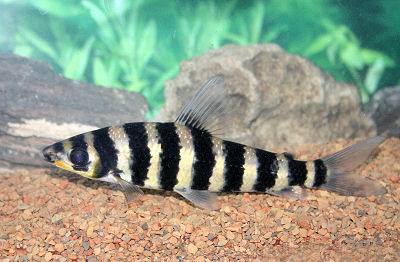
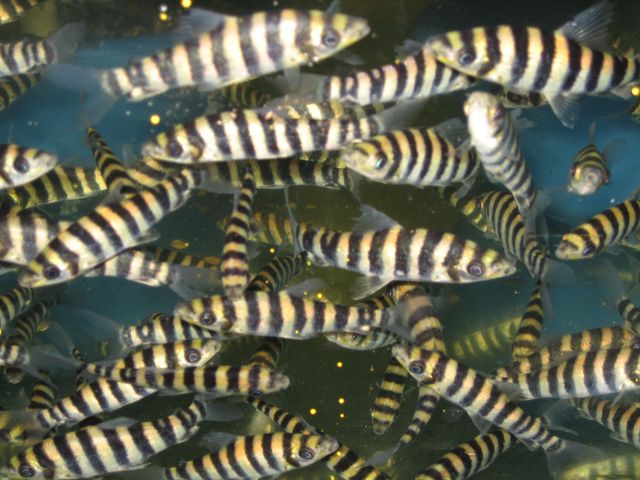
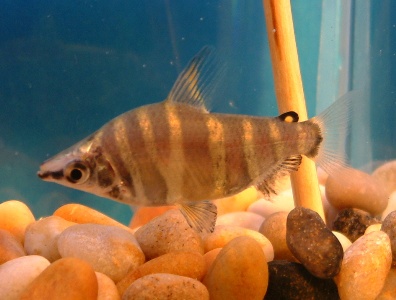
Leporinus Desmotes

Leporinus Desmotes

You should give them mainly vegetable food such as lettuce and algae.  Vegetable dry food and live food such as Tubifex and Daphnia are accepted as well. About breeding in the aquarium not much is known.Vegetable dry food and live food such as Tubifex and Daphnia are accepted as well. 
About breeding in the aquarium not much is known.You should give them mainly vegetable food such as lettuce and algae.egetable dry food and live food such as Tubifex and Daphnia are accepted as well.About breeding in the aquarium not much is known.Vegetable dry food and live food such as Tubifex.Vegetable dry food and live food such as Tubifex and Daphnia are accepted as well. 

Leporinus Desmotes

Leporinus Desmotes

Leporinus Desmotes

Leporinus Desmotes

Leporinus Desmotes
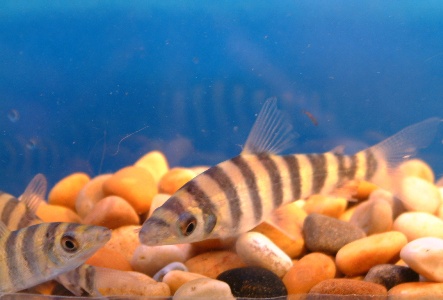
Leporinus Desmotes

Leporinus Desmotes
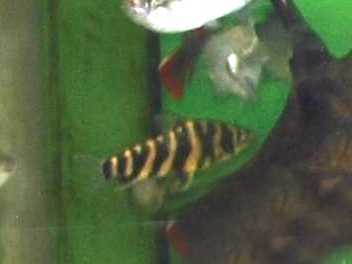
Leporinus Desmotes

Leporinus Desmotes

Leporinus Desmotes

Leporinus Desmotes

Leporinus Desmotes

Leporinus Desmotes
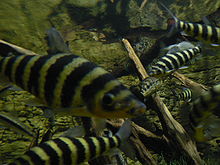
Leporinus Desmotes

Leporinus Desmotes

Leporinus Desmotes

Leporinus Desmotes


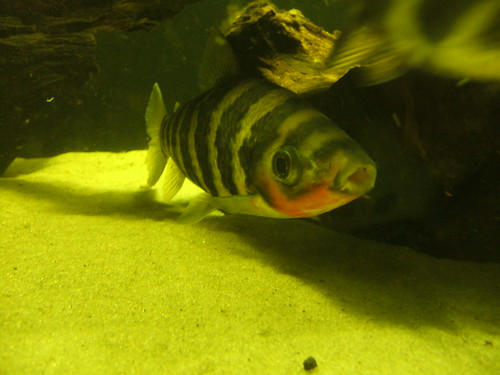
Leporinus

Leporinus

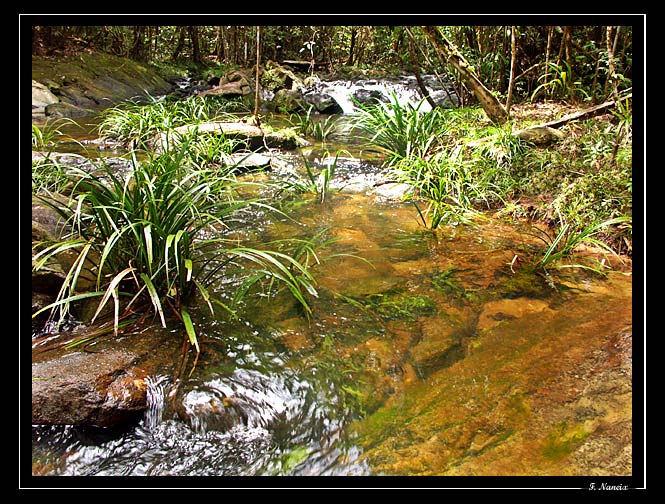
Although a few members of this family are regularly seen for sale in the aquarium market, there is little information available in print about the various Leporinus species. Part of the larger group known collectively as Characins, all Leporinus are members of the smaller Anostomidae family. Anostomaide are predominately herbivores, originating in the swiftly moving rivers of South America. Also in this family are the headstanders, which bare a similar body shape and food preferences.
The name Leporinus is of French origin, meaning "little hare". Close examination of the fish will explain why they were given this name, as they have two prominent front teeth much like a hare.

Leporinus

Leporinus

Leporinus

Leporinus

Leporinus

Leporinus

Leporinus

Leporinus

Leporinus

Leporinus

Leporinus

Leporinus

Leporinus

Leporinus

Leporinus

Leporinus

Leporinus


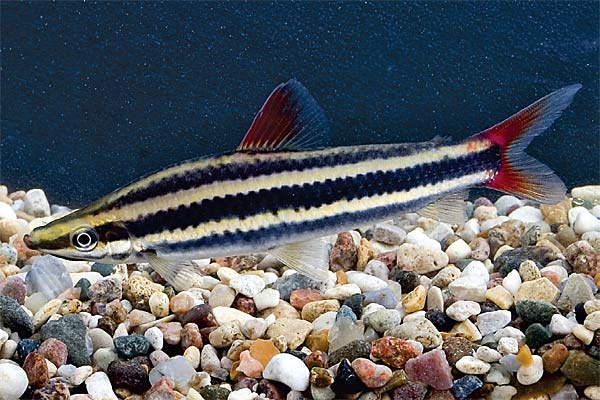
Anostomus Ternetzi

Anostomus Ternetzi

Omnivorous, but primarily a herbivore. Offer small live and frozen foods as well as plenty of vegetable matter in the form of blanched spinach, lettuce, cucumber, courgette, algae wafers etc. It’s less territorial than A. anostomus and can be maintained in a group in a suitably sized aquarium. If attempting this, buy at least six, as it can become quarrelsome and territorial with conspecifics if maintained in lesser numbers. Suitable tankmates include larger characins (but not other Anostomids), Loricariids, Doradids, peaceful Cichlids (especially reophilic species such as Retroculus), knifefish and Corydoras. Offer small live and frozen foods as well as plenty of vegetable matter in the form of blanched spinach, lettuce, 

Anostomus Ternetzi

Anostomus Ternetzi

Anostomus Ternetzi

Anostomus Ternetzi

Anostomus Ternetzi

Anostomus Ternetzi

Anostomus Ternetzi

Anostomus Ternetzi

Anostomus Ternetzi

Anostomus Ternetzi

Anostomus Ternetzi

Anostomus Ternetzi

Anostomus Ternetzi

Anostomus Ternetzi

Anostomus Ternetzi

Anostomus Ternetzi

Anostomus Ternetzi


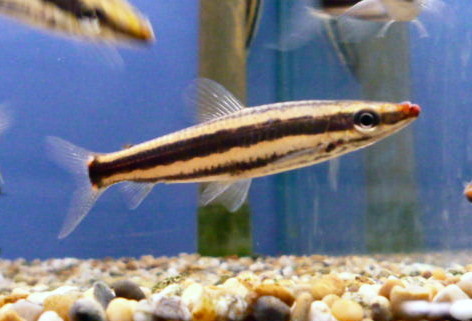
Anostomus

Anostomus

Omnivorous, but primarily a herbivore. Offer small live and frozen foods as well as plenty of vegetable matter in the form of blanched spinach, lettuce, cucumber, courgette, algae wafers  Although it occurs in large shoals in nature, it tends to be very quarrelsome with conspecifics if only a few are kept. It can be maintained in groups of 6 or more in larger tanks, but otherwise keep just a singlespecimen in a community of peaceful medium to large fish. Suitable choices include larger characins (but not other Anostomids), Loricariids, Doradids, peaceful Cichlids (especially reophilic species such as Retroculus, knifefish and Corydoras. It may nip at long-finned fish, especially slow-moving species.

Anostomus

Anostomus

Anostomus

Anostomus

Anostomus

Anostomus

Anostomus

Anostomus

Anostomus

Anostomus

Anostomus

Anostomus

Anostomus

Anostomus

Anostomus

Anostomus

Anostomus